What is Stainless Steel Passivation?
Stainless steel is widely valued for its strength, durability, and corrosion resistance. From food processing equipment and pharmaceutical vessels to aerospace components and architectural features,
Stainless steel is widely valued for its strength, durability, and corrosion resistance. From food processing equipment and pharmaceutical vessels to aerospace components and architectural features, stainless steel plays a critical role in countless industries. However, many people are surprised to learn that stainless steel is not immune to corrosion.
Processes such as welding, heat treatment and abrasion can damage the protective passive layer, while also introducing surface contamination.
Passivation is used to restore and enhance the passive layer, helping the material regain its optimum corrosion-resistant properties.
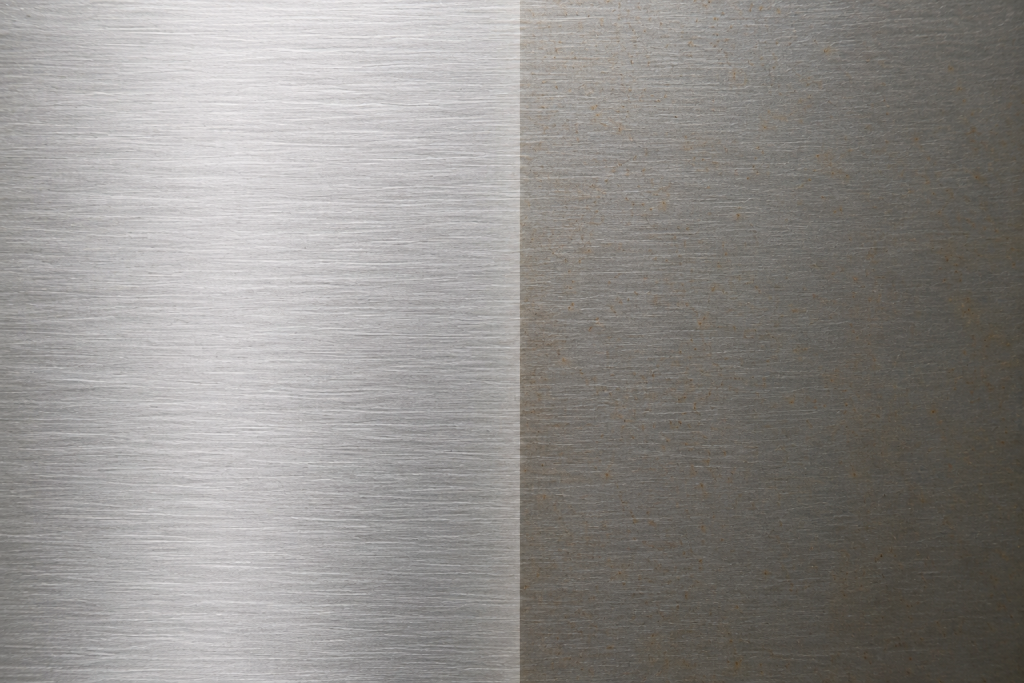
Stainless Steel Before & After
How Does Passivation Work?
Passivation is a electrolytic treatment used to remove surface contaminants, particularly free iron, and restore the stainless steel’s protective passive layer.
The process typically involves using a weak phosphoric acid which reacts with the electric current applied via an electrolytic weld cleaning machine to pull the protective chromium in the stainless back to the surface, i.e. restoring the protective passive layer. This makes the stainless regain its full corrosion-resistant properties.
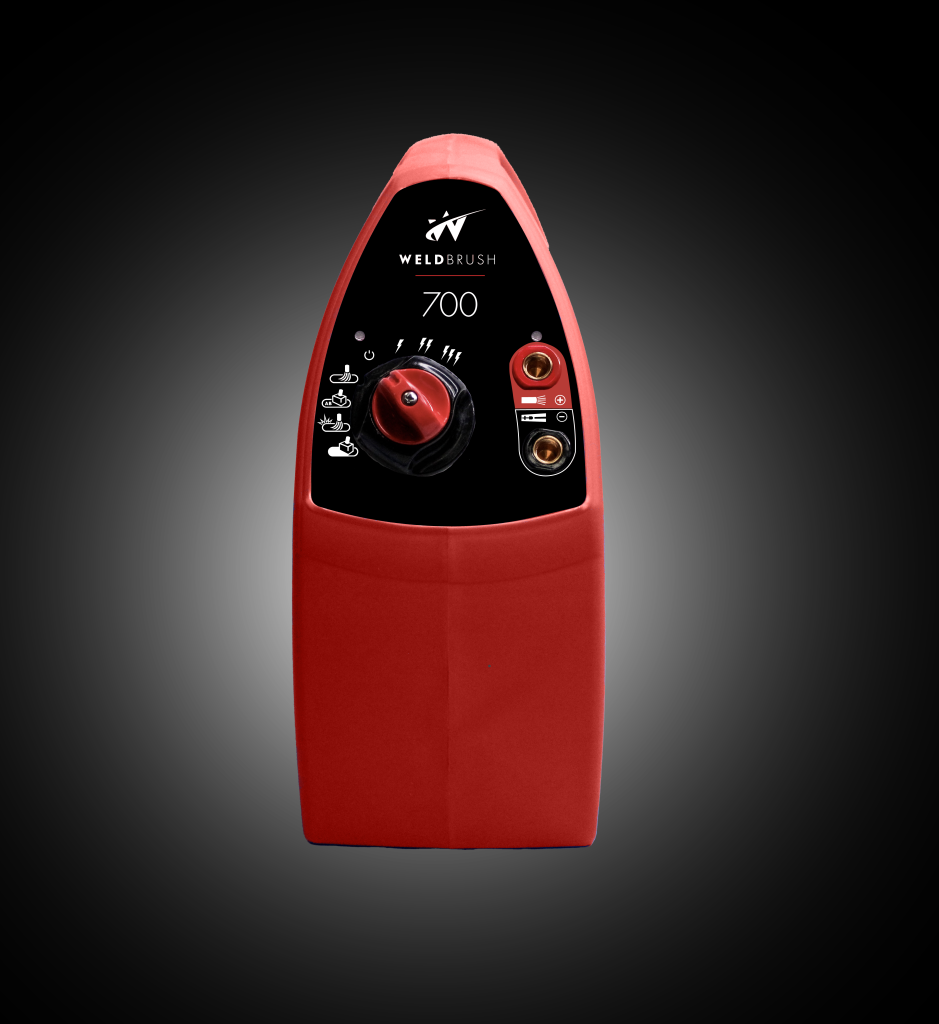
Stainless Steel Electrolytic Weld Cleaning Machine
Benefits of Passivation:
– Improves corrosion resistance
– Extends component lifespan
– Enhances cleanliness and hygiene
– Reduces maintenance costs
– Helps meet industry standards
Industries that require stainless to be passivated to meet standards:
– Food and beverage processing
– Nuclear
– Pharmaceutical manufacturing
– Medical devices
– Aerospace
– Chemical processing
– Marine applications
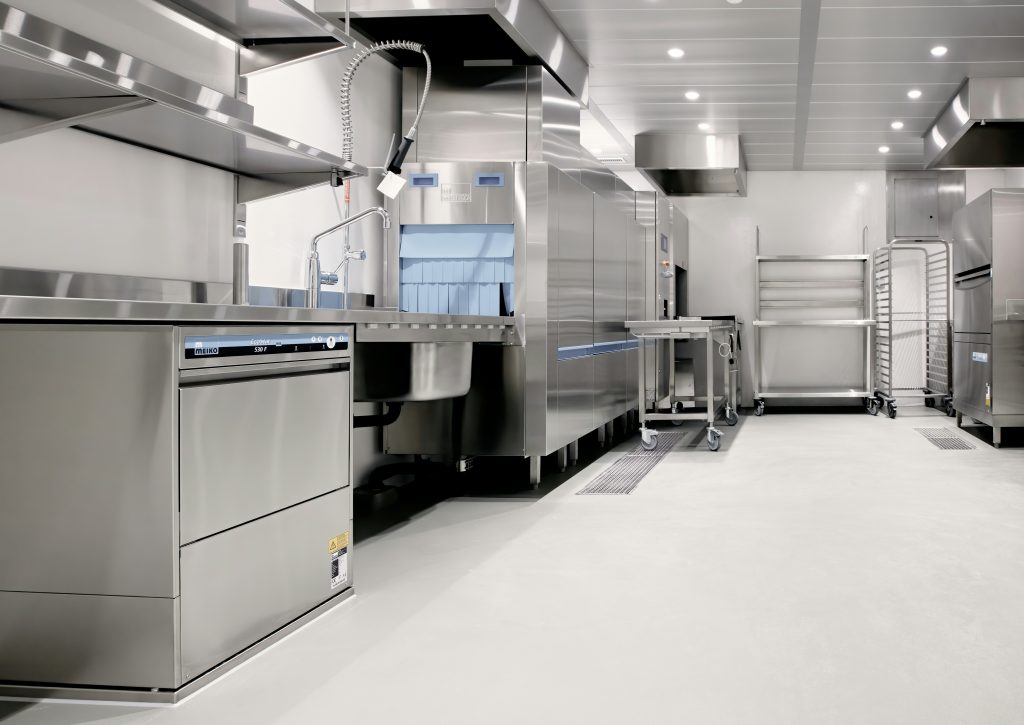
Stainless Steel Industrial Kitchen
Conclusion:
While stainless steel is naturally corrosion resistant, fabrication processes can compromise its protective layer. Passivation restores this layer, improving corrosion resistance and helping components perform reliably in demanding environments.

This post was written and brought you by Stainless Finishing Solutions Ltd.
Stainless steel is widely valued for its strength, durability, and corrosion resistance. From food processing equipment and pharmaceutical vessels to aerospace components and architectural features,
In March we were proud to support World Kidney Day 2026 by donating £10 per every order that week to Kidney Care UK. Kidney Care
Next week, we are proud to support World Kidney Day 2026 – a global awareness day dedicated to kidney health. This year, World Kidney Day
Stainless steel is chosen across industries for its durability, corrosion resistance, and clean professional appearance. However, even high‑quality stainless isn’t immune to surface imperfections. One
Discolouration on a stainless weld Stainless steel is renowned for its sleek appearance and corrosion resistance. But if you’ve ever worked with it – especially
Stainless Steel Weld with Discolouration Welding stainless often results in heat-affected zones and discolouration, which can compromise the appearance and corrosion resistance of the metal.
| Cookie | Duration | Description |
|---|---|---|
| cookielawinfo-checbox-analytics | 11 months | This cookie is set by GDPR Cookie Consent plugin. The cookie is used to store the user consent for the cookies in the category "Analytics". |
| cookielawinfo-checbox-functional | 11 months | The cookie is set by GDPR cookie consent to record the user consent for the cookies in the category "Functional". |
| cookielawinfo-checbox-others | 11 months | This cookie is set by GDPR Cookie Consent plugin. The cookie is used to store the user consent for the cookies in the category "Other. |
| cookielawinfo-checkbox-necessary | 11 months | This cookie is set by GDPR Cookie Consent plugin. The cookies is used to store the user consent for the cookies in the category "Necessary". |
| cookielawinfo-checkbox-performance | 11 months | This cookie is set by GDPR Cookie Consent plugin. The cookie is used to store the user consent for the cookies in the category "Performance". |
| viewed_cookie_policy | 11 months | The cookie is set by the GDPR Cookie Consent plugin and is used to store whether or not user has consented to the use of cookies. It does not store any personal data. |