What is Stainless Steel Passivation?
Stainless steel is widely valued for its strength, durability, and corrosion resistance. From food processing equipment and pharmaceutical vessels to aerospace components and architectural features,
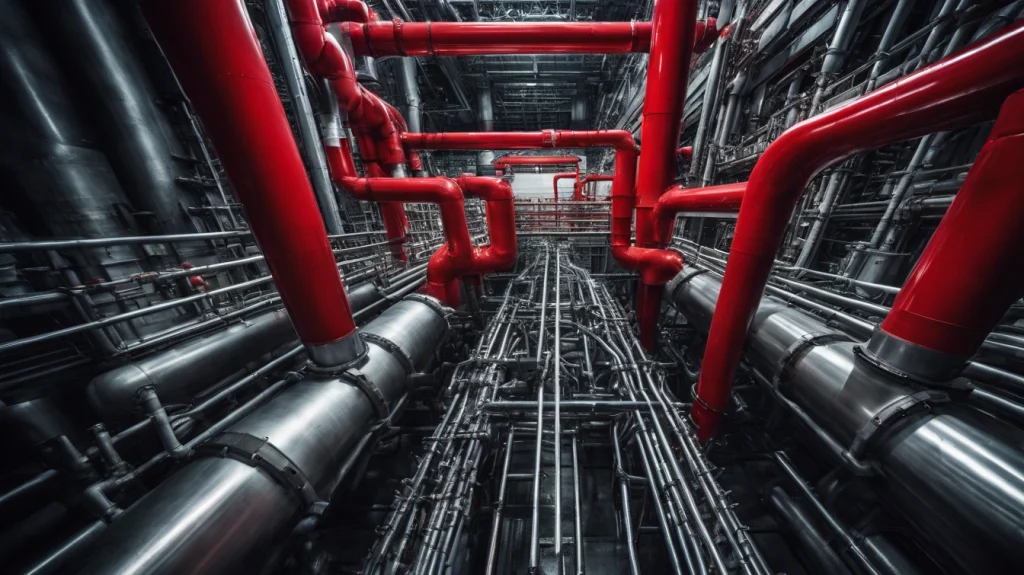
Stainless steel is used extensively in the construction of reactors, storage facilities, and other critical infrastructure in the nuclear industry. Maintaining cleanliness of these stainless steel components is of paramount importance to ensure the safe and efficient operation of nuclear facilities. This is where electrolytic cleaning plays a crucial role.
Electrolytic cleaning is a highly effective method for removing contaminants, scale, and other unwanted deposits from the surface of stainless steel. By using an electric current and a carefully controlled electrolytic solution, this process can effectively clean and passivate the steel, restoring its corrosion resistance and ensuring its long-term performance.

In the nuclear industry, where the slightest imperfection or contamination can have serious consequences, electrolytic cleaning is an essential step in the maintenance and upkeep of stainless steel components. By keeping these surfaces clean and free of impurities, the risk of corrosion, pitting, and other forms of degradation is significantly reduced, ultimately enhancing the safety and reliability of nuclear facilities.

Cleaning and passivation of stainless steel is particularly important in the nuclear decommissioning industry as the improved corrosion resistance which is achieved by passivation is crucial in assuring the performance of the material once it’s in service. There are 2 main benefits resulting from this:
1. Electrolytic cleaning
Initially, due to the improved microscopic surface texture and the reduction in total surface area, electrolytic cleaning is effective in reducing the buildup of radioactive contaminates and eases decontamination.
2. Passivation
In addition to this, because the surface of the stainless is re-passivated with electrolytic cleaning, this means that the chromium is drawn to the surface which restores a protective layer post-welding, known as the passive layer. This is imperative to prevent corrosion and rust in the future, for safe and secure nuclear disposal.

Electrolytic weld cleaning is the superior choice over pickling spray for the nuclear industry. This advanced technique utilises an electric current to remove surface contaminants and oxides, leaving a clean, uniform finish on welds. Unlike pickling spray, which can be hazardous and environmentally damaging, electrolytic cleaning is a safe, eco-friendly process that produces high-quality results. By adopting this method, nuclear facilities can ensure the integrity and reliability of their critical infrastructure, while minimising the risks associated with traditional cleaning methods. The precision and efficiency of electrolytic weld cleaning make it an essential tool for maintaining the highest standards of safety and performance in the nuclear industry.

This post was written and brought you by Stainless Finishing Solutions Ltd.
Stainless steel is widely valued for its strength, durability, and corrosion resistance. From food processing equipment and pharmaceutical vessels to aerospace components and architectural features,
In March we were proud to support World Kidney Day 2026 by donating £10 per every order that week to Kidney Care UK. Kidney Care
Next week, we are proud to support World Kidney Day 2026 – a global awareness day dedicated to kidney health. This year, World Kidney Day
Stainless steel is chosen across industries for its durability, corrosion resistance, and clean professional appearance. However, even high‑quality stainless isn’t immune to surface imperfections. One
Discolouration on a stainless weld Stainless steel is renowned for its sleek appearance and corrosion resistance. But if you’ve ever worked with it – especially
Stainless Steel Weld with Discolouration Welding stainless often results in heat-affected zones and discolouration, which can compromise the appearance and corrosion resistance of the metal.
| Cookie | Duration | Description |
|---|---|---|
| cookielawinfo-checbox-analytics | 11 months | This cookie is set by GDPR Cookie Consent plugin. The cookie is used to store the user consent for the cookies in the category "Analytics". |
| cookielawinfo-checbox-functional | 11 months | The cookie is set by GDPR cookie consent to record the user consent for the cookies in the category "Functional". |
| cookielawinfo-checbox-others | 11 months | This cookie is set by GDPR Cookie Consent plugin. The cookie is used to store the user consent for the cookies in the category "Other. |
| cookielawinfo-checkbox-necessary | 11 months | This cookie is set by GDPR Cookie Consent plugin. The cookies is used to store the user consent for the cookies in the category "Necessary". |
| cookielawinfo-checkbox-performance | 11 months | This cookie is set by GDPR Cookie Consent plugin. The cookie is used to store the user consent for the cookies in the category "Performance". |
| viewed_cookie_policy | 11 months | The cookie is set by the GDPR Cookie Consent plugin and is used to store whether or not user has consented to the use of cookies. It does not store any personal data. |